What Makes Authentic Indian Food So Special?
Indian cuisine is a vibrant tapestry of flavors, colors, and aromas that have captivated food lovers around the world. But what truly makes a dish authentic? As someone who has spent years exploring the rich culinary traditions of India, I find that authenticity in Indian food is about more than just ingredients. It’s about the stories, the techniques, and the heart that goes into every meal. Let me take you on a warm, inviting journey to discover what makes authentic Indian food so deeply satisfying and soul-nourishing.
The Heart of Authentic Indian Food: Tradition and Technique
When I think about authentic Indian food, I think about the deep respect for tradition and the careful techniques passed down through generations. Authenticity starts in the kitchen with the way ingredients are chosen and prepared. For example, the use of whole spices like cumin seeds, cardamom pods, and cloves, toasted gently to release their essential oils, is a hallmark of genuine Indian cooking. These spices are not just thrown in; they are treated with care and precision.
The cooking methods themselves are equally important. Slow simmering, tempering spices in hot oil (known as tadka), and layering flavors are techniques that create the complex, rich tastes we associate with Indian dishes. These methods require patience and love, qualities that shine through in every bite.
Authentic Indian food also embraces regional diversity. From the creamy, buttery dishes of Punjab to the tangy, coconut-infused curries of Kerala, each region offers unique flavors and ingredients. This diversity is a beautiful reminder that Indian cuisine is not one-size-fits-all but a collection of many authentic traditions.
What is the 1 Indian dish?
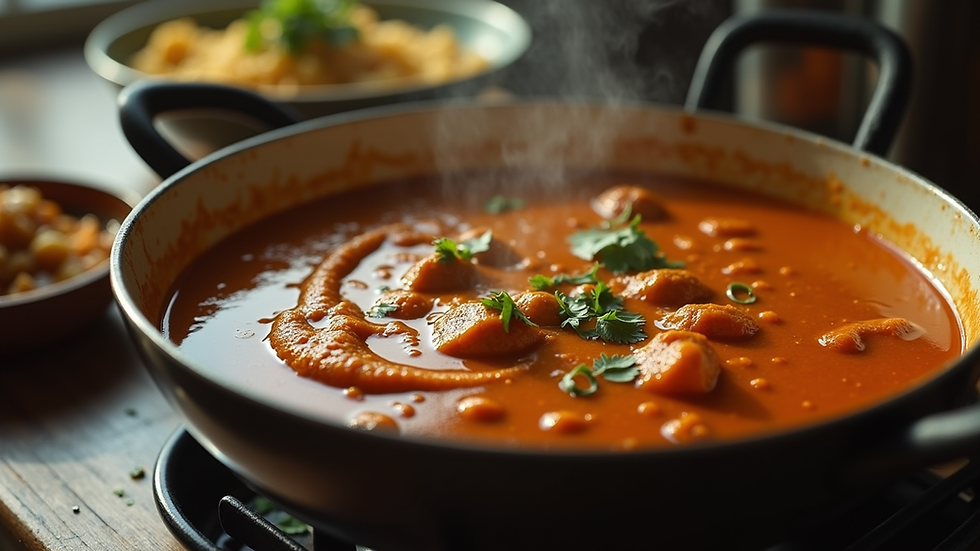
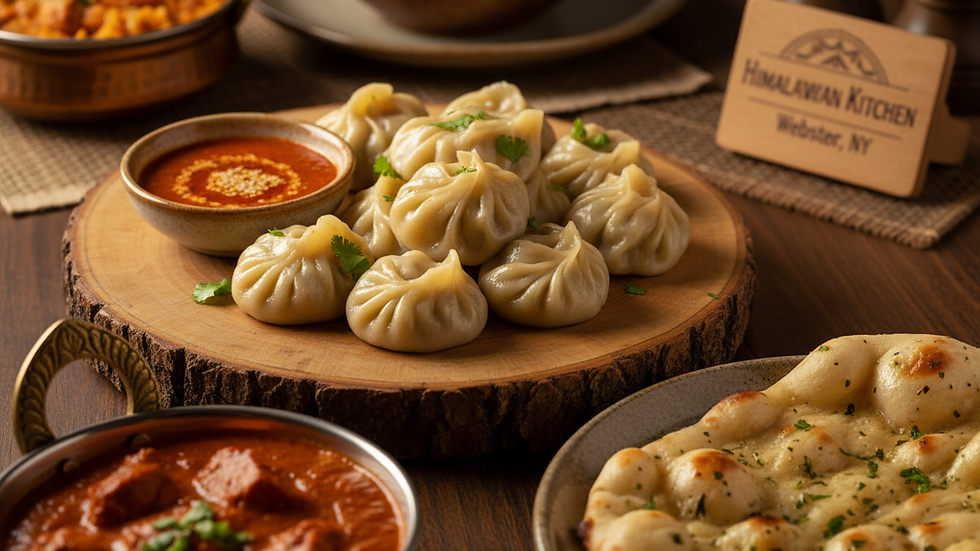
If I had to pick the #1 Indian dish that represents authenticity and universal love, it would be Butter Chicken. This dish perfectly balances rich, creamy tomato gravy with tender, marinated chicken. Originating from Delhi, Butter Chicken has become a beloved classic worldwide, yet its authentic preparation remains rooted in tradition.
What makes Butter Chicken authentic? It’s the marination of the chicken in yogurt and spices, the slow cooking process, and the use of fresh cream and butter to create that luscious texture. The flavors are bold but balanced, comforting but exciting. It’s a dish that invites you to savor every bite and feel connected to the culinary heritage of India.
Butter Chicken is often served with soft naan or fragrant basmati rice, completing the experience. When you taste it prepared authentically, you understand why it holds such a special place in Indian cuisine.
The Role of Fresh Ingredients and Spices
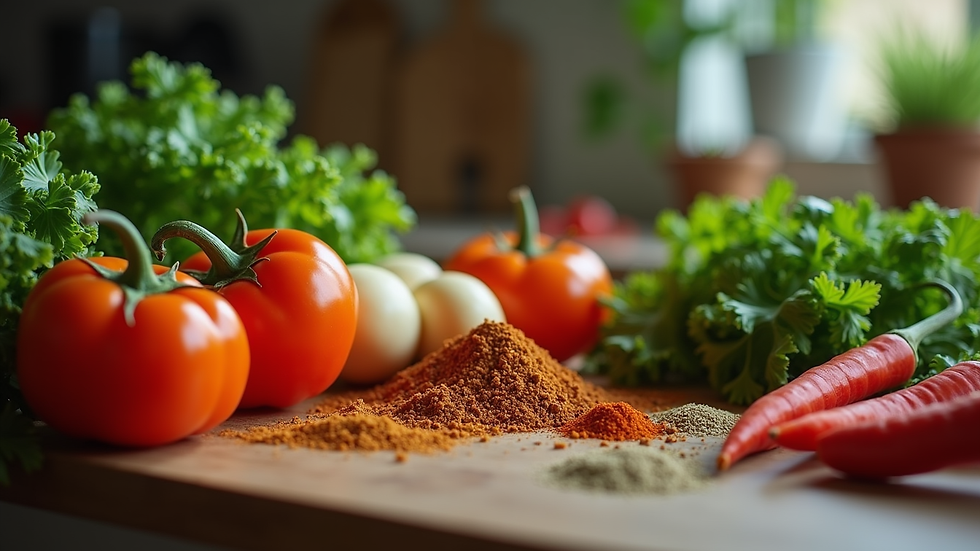
One of the most important aspects of authentic Indian food is the use of fresh, high-quality ingredients. Freshness is key to unlocking the vibrant flavors that Indian dishes are known for. Whether it’s ripe tomatoes, fresh ginger, or fragrant coriander, each ingredient plays a vital role.
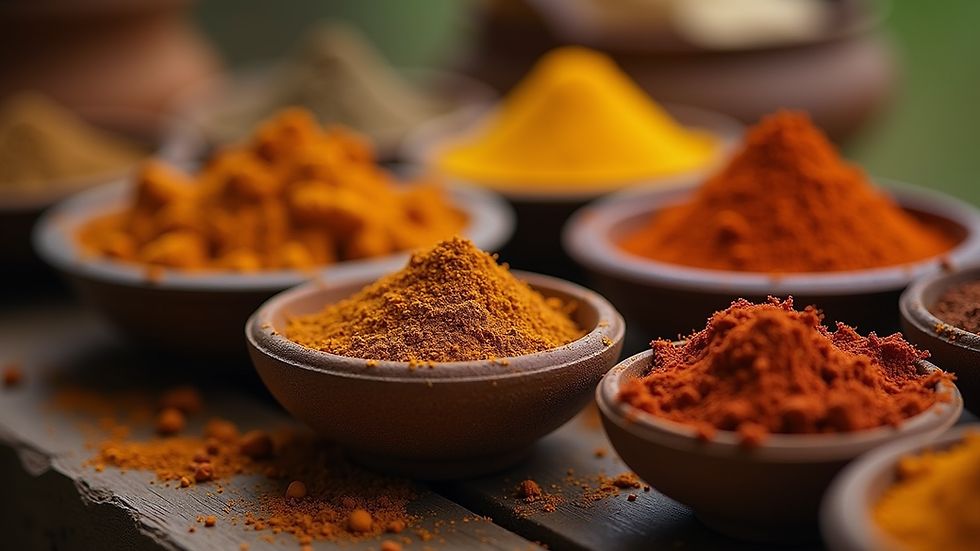
Spices are the soul of Indian cooking. Authentic Indian dishes rely on a carefully balanced blend of spices, often ground fresh at home or sourced from trusted markets. This freshness makes a huge difference in flavor. For example, freshly ground garam masala adds warmth and depth that pre-packaged blends simply cannot match.
Using fresh ingredients also means respecting the seasons. Many traditional Indian recipes highlight seasonal vegetables and fruits, which not only enhances flavor but also connects the food to the land and culture.
If you want to try your hand at making authentic Indian dishes, I recommend starting with a few essential spices like turmeric, cumin, coriander, and mustard seeds. Experiment with toasting and grinding them yourself to experience the full spectrum of flavors.
The Importance of Cultural Context and Hospitality
Authentic Indian food is not just about what’s on the plate; it’s about the experience of sharing a meal. In Indian culture, food is a way to bring people together, to celebrate, and to show care. This spirit of hospitality is woven into every authentic dish.
When you dine in an authentic Indian setting, you’ll notice the warmth and generosity that accompany the food. Meals are often communal, with dishes shared among family and friends. This creates a sense of connection and belonging that enhances the enjoyment of the food.
Understanding the cultural context also means appreciating the rituals and customs around food. For example, many Indian meals begin with a small serving of pickles or yogurt to stimulate the palate. Sweets often conclude the meal, symbolizing sweetness and happiness in life.
By embracing these traditions, authentic Indian food becomes more than nourishment - it becomes a celebration of life and community.
How to Identify Authentic Indian Dishes When Dining Out
Finding authentic Indian food outside of India can sometimes be a challenge, but there are a few helpful tips to guide you. When I look for authentic Indian dishes, I pay attention to:
Menu variety: Authentic Indian restaurants often offer a wide range of regional dishes, not just the popular ones. Look for items like saag paneer, dosa, vindaloo, or dal makhani.
Ingredient descriptions: Authentic places usually mention the use of fresh spices and traditional cooking methods.
Taste and aroma: Authentic dishes have a balanced, layered flavor profile. The aroma of freshly ground spices and slow-cooked sauces is a good sign.
Presentation: While presentation can vary, authentic Indian food is often served with accompaniments like chutneys, pickles, and fresh bread.
Atmosphere: A warm, inviting atmosphere with attentive service often reflects the care put into the food.
If you want to explore authentic Indian dishes, I encourage you to ask questions about the food and the cooking process. Most chefs and restaurant owners are proud of their heritage and happy to share their stories.
For those who want to dive deeper into the world of authentic Indian cuisine, I recommend checking out authentic indian dishes that honor traditional recipes and flavors.
Bringing Authentic Indian Flavors Into Your Home Kitchen
One of the most rewarding ways to connect with authentic Indian food is by cooking it yourself. It might seem intimidating at first, but with a few simple steps, you can create delicious, authentic meals at home.
Here are some practical tips to get started:
Invest in basic spices: Stock your pantry with turmeric, cumin, coriander, mustard seeds, garam masala, and chili powder.
Use fresh ingredients: Whenever possible, use fresh ginger, garlic, tomatoes, and herbs like cilantro.
Learn key techniques: Practice tempering spices in hot oil, slow cooking curries, and marinating proteins.
Start with simple recipes: Dishes like dal (lentil stew), chana masala (chickpea curry), and vegetable pulao are great beginner-friendly options.
Be patient and enjoy the process: Authentic Indian cooking is about layering flavors and taking your time.
Cooking authentic Indian food at home not only brings joy but also deepens your appreciation for the culture and traditions behind each dish.
A Warm Invitation to Experience Authentic Indian Food
Authentic Indian food is a beautiful blend of tradition, flavor, and heart. It invites us to slow down, savor each bite, and connect with a rich cultural heritage. Whether you’re enjoying a plate of butter chicken, a bowl of dal, or a freshly baked naan, you’re partaking in a culinary story that has been lovingly told for centuries.
I warmly invite you to explore these flavors, whether at a local restaurant or in your own kitchen. Authentic Indian food has a way of bringing people together, creating moments of joy and connection. It’s more than just a meal - it’s an experience that nourishes the body and soul.
So, let’s celebrate the magic of authentic Indian food and the beautiful traditions that make it so special. Your next delicious adventure awaits!
Comments