Uncovering the Rich Traditions of Nepali Cuisine
Nepali cuisine is a vibrant tapestry of flavors, colors, and aromas that tell stories of a rich cultural heritage. As someone who has always been drawn to the warmth and soulfulness of Himalayan food, I find myself continually fascinated by the traditions that shape every dish. From the hearty momos to the fragrant dal bhat, each bite offers a glimpse into the heart of Nepal’s culinary world. Today, I invite you to join me on a journey to uncover the rich traditions of Nepali cuisine, where every meal is a celebration of family, community, and nature’s bounty.
The Heartbeat of Nepali Cuisine Traditions
Nepali cuisine traditions are deeply rooted in the country’s diverse geography and ethnic mosaic. The food reflects the mountains, valleys, and plains, as well as the many ethnic groups that call Nepal home. What makes this cuisine truly special is its balance - a harmony of spices, textures, and ingredients that come together to create meals that are both nourishing and comforting.
One of the most iconic dishes is dal bhat, a simple yet satisfying combination of lentil soup, steamed rice, and vegetable curries. It is a daily staple for many Nepali families and symbolizes the essence of home-cooked comfort. The preparation of dal bhat is an art in itself, with each family adding their unique touch through spices and side dishes.
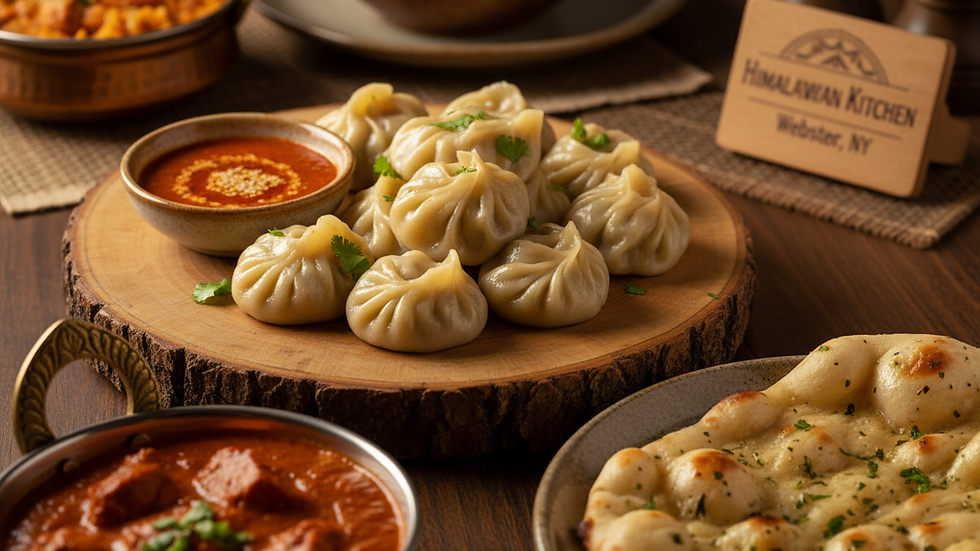
Another beloved tradition is the making of momos, steamed dumplings filled with meat or vegetables. These little parcels of joy are often enjoyed as street food or during festivals, bringing people together in shared delight. The process of making momos is a communal activity, where family members gather to roll dough and fill each dumpling, strengthening bonds and passing down recipes through generations.
Exploring the Ingredients That Define Nepali Flavors
What truly sets Nepali cuisine apart is its use of fresh, local ingredients that highlight the natural flavors of the region. The mountains provide an abundance of herbs, wild greens, and fresh vegetables, while the fertile plains offer grains and lentils that form the foundation of many dishes.
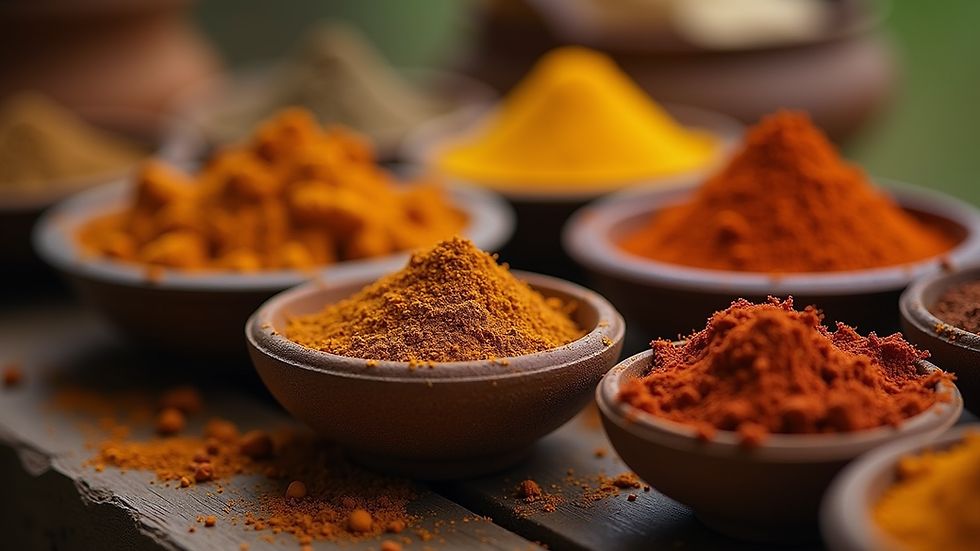
Spices in Nepali cooking are used with care and precision. Unlike some cuisines that rely heavily on heat, Nepali dishes emphasize aromatic spices like cumin, coriander, turmeric, and ginger. These spices enhance the food’s natural taste without overpowering it, creating a warm and inviting flavor profile.
One cannot talk about Nepali food without mentioning gundruk, a fermented leafy green vegetable that adds a tangy depth to soups and stews. This traditional ingredient is a testament to the resourcefulness of Nepali cooks, who use fermentation to preserve seasonal greens and enrich their meals.
For those eager to try their hand at Nepali cooking, I recommend starting with simple recipes like aloo tama (potato and bamboo shoot curry) or sel roti (a sweet, ring-shaped rice bread). These dishes are approachable and offer a delicious introduction to the flavors and techniques of Nepali cuisine.
Celebrating Festivals Through Food
Food plays a central role in Nepali festivals, where traditional dishes are prepared with love and shared among family and friends. Each festival brings its own culinary customs, reflecting the cultural diversity of the country.
During Dashain, the longest and most important festival, families prepare special meat dishes, including goat and buffalo, often cooked with rich spices and herbs. The festival is a time of feasting and gratitude, where food becomes a symbol of prosperity and togetherness.
Tihar, the festival of lights, features an array of sweets and snacks that brighten the celebrations. One popular treat is sel roti, which is enjoyed alongside other delicacies like chhoyela (spiced grilled meat) and yomari (sweet rice flour dumplings filled with molasses and sesame seeds).
These festive foods are more than just nourishment; they are a way to honor tradition, express joy, and strengthen community ties. Sharing these dishes invites us to experience the warmth and generosity that define Nepali culture.
Bringing Nepali Traditions to Your Table
If you’re inspired to bring the rich traditions of Nepali cuisine into your own kitchen, there are a few tips that can help you capture the authentic flavors and spirit of the food.
Use fresh, quality ingredients: Whenever possible, choose fresh vegetables, herbs, and spices. The simplicity of Nepali dishes means that ingredient quality shines through.
Balance your spices: Start with small amounts of cumin, coriander, turmeric, and ginger. Adjust to taste, aiming for warmth and aroma rather than heat.
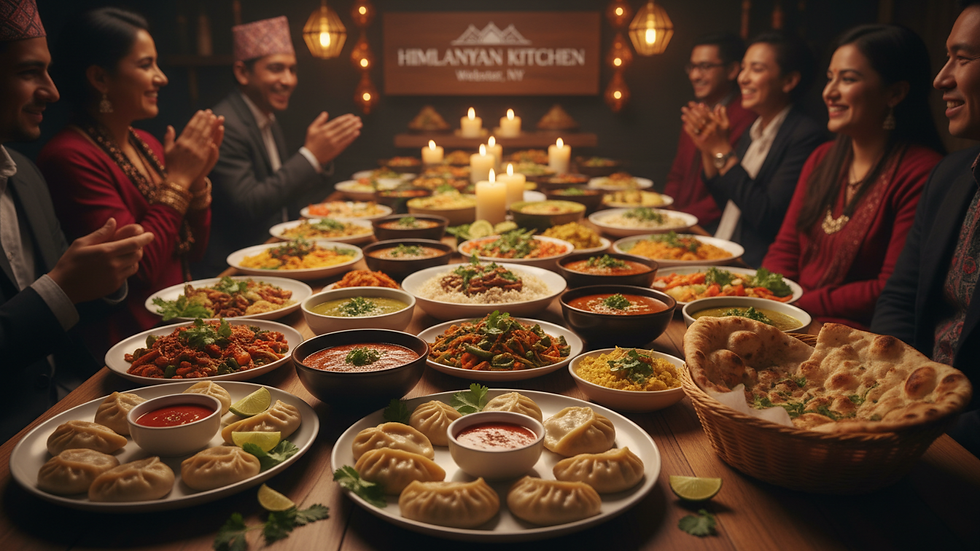
Embrace communal cooking: Invite family or friends to join you in preparing dishes like momos or sel roti. Cooking together is a joyful way to connect and share traditions.
Experiment with fermentation: Try making gundruk or other fermented vegetables to add authentic tang and depth to your meals.
Serve with love and warmth: Nepali meals are about more than food - they are about connection. Set your table with care and enjoy the experience of sharing.
By embracing these practices, you can create meals that honor the spirit of Nepali cuisine and bring a touch of Himalayan warmth to your home.
A Lasting Invitation to Explore Nepali Flavors
The rich traditions of Nepali cuisine invite us to slow down, savor each bite, and appreciate the stories behind every dish. Whether it’s the comforting dal bhat, the festive momos, or the fragrant spices that fill the air, Nepali food offers a soulful experience that nourishes both body and heart.
As you explore these flavors, remember that Nepali cuisine is a living tradition - one that continues to evolve while staying deeply connected to its roots. I encourage you to keep discovering, tasting, and sharing these wonderful dishes with those you love.
For those who want to dive deeper into the world of nepali cuisine traditions, there is a wealth of history and culture waiting to be explored. And if you ever find yourself craving an authentic taste of Nepal, places like Himalayan Kitchen Indian & Nepali Flavors offer a warm, family-like dining experience that truly honors this legacy.
May your culinary journey be filled with warmth, flavor, and the joy of shared meals. Namaste!
Comments